Parshat Vayishlach
 Back to Main Page
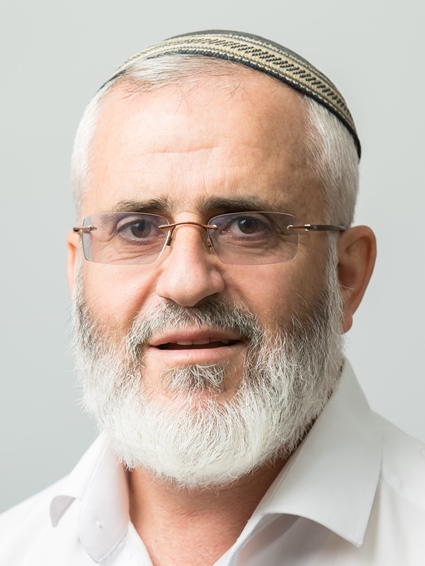
By: Rav Sharon Yust
After Yaakov Avinu went up to Beit El, HaKadosh Baruch Hu appeared to him a second time and said:
"וַיֵּרָא אלוקים אֶל יַעֲקֹב עוֹד בְּבֹאוֹ מִפַּדַּן אֲרָם וַיְבָרֶךְ אֹתוֹ. וַיֹּאמֶר לוֹ אלוקים שִׁמְךָ יַעֲקֹב לֹא יִקָּרֵא שִׁמְךָ עוֹד יַעֲקֹב כִּי אִם יִשְׂרָאֵל יִהְיֶה שְׁמֶךָ וַיִּקְרָא אֶת שְׁמוֹ יִשְׂרָאֵל"
— God appeared to Yaakov again when he came from Padan Aram, and He blessed him. God said to him, "Your name is Yaakov. Your name will no longer be called Yaakov, but Yisrael will be your name." And He called his name Yisrael. (Bereshit 35:9–10)
The commentators explain (see Ibn Ezra and the Ramban) that this does not mean the name Yaakov is abolished altogether. Rather, the name Yisrael is added to it, and will even be the primary one.
So too in the Midrash (Bereshit Rabba, Vilna edition, Parshat Vayishlach 78:3):
"תני לא שיעקר שם יעקב אלא כי אם ישראל יהיה שמך, ישראל יהיה עיקר ויעקב טפילה." – It was taught: Not that the name Yaakov would be uprooted, but rather "Yisrael will be your name": Yisrael will be primary, and Yaakov secondary.
Indeed, this is hinted at in the words "ויאמר לו אלוקים שמך יעקב": the name Yaakov remains.
This is unlike what is said of Avraham Avinu:
"וְלֹא יִקָּרֵא עוֹד אֶת שִׁמְךָ אַבְרָם וְהָיָה שִׁמְךָ אַבְרָהָם כִּי אַב הֲמוֹן גּוֹיִם נְתַתִּיךָ" – No longer will your name be called Avram, but your name will be Avraham, for I have made you the father of a multitude of nations (Bereshit 17:5). There it does not say "שמך אברם" – your name is Avram.
Chazal say in the Gemara (Berachot 13a): "כל הקורא לאברהם אברם עובר בלא תעשה" – Whoever calls Avraham 'Avram' violates a prohibition.
What is the meaning of the two names?
The Kli Yakar explains that they allude to the two redemptions: the redemption from Egypt and the future redemption.
As Chazal say in the Gemara (Berachot 12b): "אמרו לו, לא שתעקר יציאת מצרים ממקומה, אלא שתהא שעבוד מלכיות עיקר, ויציאת מצרים טפל לו" – They said to him: Not that the Exodus from Egypt will be uprooted from its place, but rather that the subjugation to the kingdoms will be primary, and the Exodus from Egypt secondary to it.
The pasuk in the book of Micha does not seem to say so: "כימי צאתך מארץ מצרים אראנו נפלאות" – As in the days when you came out of the land of Egypt, I will show him wonders. This implies that the miracles of the future redemption will be on exactly the same level as the miracles of the Exodus. Even so, there is a fundamental difference between the two redemptions.
In Egypt they were immersed in the forty-nine gates of tuma (impurity) and had almost no zechuyot (merits). On the contrary, the navi Yechezkel says that they committed grave sins:
"בַּיּ֣וֹם הַה֗וּא נָשָׂ֤אתִי יָדִי֙ לָהֶ֔ם לְהֽוֹצִיאָ֖ם מֵאֶ֣רֶץ מִצְרָ֑יִם אֶל־אֶ֜רֶץ אֲשֶׁר־תַּ֣רְתִּי לָהֶ֗ם זָבַ֤ת חָלָב֙ וּדְבַ֔שׁ צְבִ֥י הִ֖יא לְכָל־הָאֲרָצֽוֹת: וָאֹמַ֣ר אֲלֵהֶ֗ם אִ֣ישׁ שִׁקּוּצֵ֤י עֵינָיו֙ הַשְׁלִ֔יכוּ וּבְגִלּוּלֵ֥י מִצְרַ֖יִם אַל־תִּטַּמָּ֑אוּ אֲנִ֖י ה' אלוקיכם: וַיַּמְרוּ־בִ֗י וְלֹ֤א אָבוּ֙ לִשְׁמֹ֣עַ אֵלַ֔י אִ֣ישׁ אֶת־שִׁקּוּצֵ֤י עֵֽינֵיהֶם֙ לֹ֣א הִשְׁלִ֔יכוּ וְאֶת־גִּלּוּלֵ֥י מִצְרַ֖יִם לֹ֣א עָזָ֑בוּ וָאֹמַ֞ר לִשְׁפֹּ֧ךְ חֲמָתִ֣י עֲלֵיהֶ֗ם לְכַלּ֤וֹת אַפִּי֙ בָּהֶ֔ם בְּת֖וֹךְ אֶ֥רֶץ מִצְרָֽיִם: וָאַ֙עַשׂ֙ לְמַ֣עַן שְׁמִ֔י לְבִלְתִּ֥י הֵחֵ֛ל לְעֵינֵ֥י הַגּוֹיִ֖ם אֲשֶׁר־הֵ֣מָּה בְתוֹכָ֑ם אֲשֶׁ֨ר נוֹדַ֤עְתִּי אֲלֵיהֶם֙ לְעֵ֣ינֵיהֶ֔ם לְהוֹצִיאָ֖ם מֵאֶ֥רֶץ מִצְרָֽיִם"
— On that day I lifted up My hand to them, to bring them out of the land of Egypt into a land that I had sought out for them, flowing with milk and honey, the most beautiful of all lands. Then I said to them, "Let every man cast away the detestable things of his eyes, and do not defile yourselves with the idols of Egypt: I am Hashem, your God." But they rebelled against Me and would not listen to Me. They did not cast away, every man, the detestable things of their eyes, nor did they forsake the idols of Egypt. Then I said that I would pour out My fury upon them, to spend My anger against them in the midst of the land of Egypt. But I acted for the sake of My name, so that it would not be profaned in the sight of the nations among whom they lived, in whose sight I made Myself known to them, to bring them out of the land of Egypt. (Yechezkel 20:6–9)
Even the departure from Egypt took the form of a ruse: they told Pharaoh that they were going to offer sacrifices in the wilderness, and they had to do everything in haste, like a man running away.
But in the future, when all sins have come to an end,
"בַּיָּמִ֣ים הָהֵם֩ וּבָעֵ֨ת הַהִ֜יא נְאֻם ה' יְבֻקַּ֞שׁ אֶת־עֲוֹ֤ן יִשְׂרָאֵל֙ וְאֵינֶ֔נּוּ וְאֶת־חַטֹּ֥את יְהוּדָ֖ה וְלֹ֣א תִמָּצֶ֑אינָה כִּ֥י אֶסְלַ֖ח לַאֲשֶׁ֥ר אַשְׁאִֽיר"
— In those days and at that time, says Hashem, the iniquity of Yisrael will be sought, and there will be none, and the sins of Yehuda, and they will not be found, for I will pardon those whom I leave as a remnant (Yirmiyahu 50:20). Then they will be redeemed in triumph and in greatness, as the navi says:
"כִּ֣י לֹ֤א בְחִפָּזוֹן֙ תֵּצֵ֔אוּ וּבִמְנוּסָ֖ה לֹ֣א תֵלֵכ֑וּן כִּֽי־הֹלֵ֤ךְ לִפְנֵיכֶם֙ ה' וּמְאַסִּפְכֶ֖ם אלוקי יִשְׂרָאֵֽל"
— For you will not go out in haste, nor will you go in flight, for Hashem will go before you, and the God of Yisrael will be your rear guard. (Yeshayahu 52:12)
Nevertheless, the Exodus from Egypt will not be forgotten, so that they will be able to see and recognize the difference between the two redemptions.
The name Yaakov was not uprooted, because it alludes to the physical redemption, while the name Yisrael hints at the spiritual redemption, which is the primary one.
Baruch Hashem, we are zocheh to live in the generation of atchalta d'geula (the beginning of the redemption) and to see miracles and wonders. May we merit the completion of our redemption, physical and spiritual, bimhera b'yameinu.
Shiur ID: 9703
Do you have a comment or question on the shiur?
Comment below and we'll join the discussion
Add your comments:
.jpg)